Why Cheap Costs You More


You stare at two similar leather oxfords on the display shelf, picking the fifty-dollar pair over the two-hundred-dollar option because your brain registers an instant financial win. You walk out of the store convinced that you just saved a hundred and fifty dollars in liquid cash.
You choose the cheap home appliance because the entry cost looks remarkably small on your monthly checking account statement.
You hire the lowest-bidding contractor to keep your upfront cash outlay as low as humanly possible.
You select the budget phone charger because paying for certified original hardware feels like a waste of money today.
You celebrate the immediate surplus sitting safely in your bank account at the end of the month.
That immediate savings is actually a high-interest loan you just borrowed from your future self.
Institutional wealth managers evaluate every single physical asset through a strict financial frame called Total Cost of Ownership.
The initial retail sticker price represents only the visible tip of a massive economic obligation.
When you select low-grade goods, you unconsciously sign up for compounding operational friction that bleeds your capital quietly over time.
This friction manifests through higher utility bills, repeated maintenance fees, premature structural failure, and lost productive output.
A low-spec computer might save three hundred dollars on day one, but it slows down your daily tasks and crashes within two years.
You lose precious work hours, pay emergency repair bills, and eventually buy another computer anyway.
The mathematical reality is stark and unavoidable.
Cheap items never preserve your capital; they simply convert a single fixed cost into an open-ended financial liability.
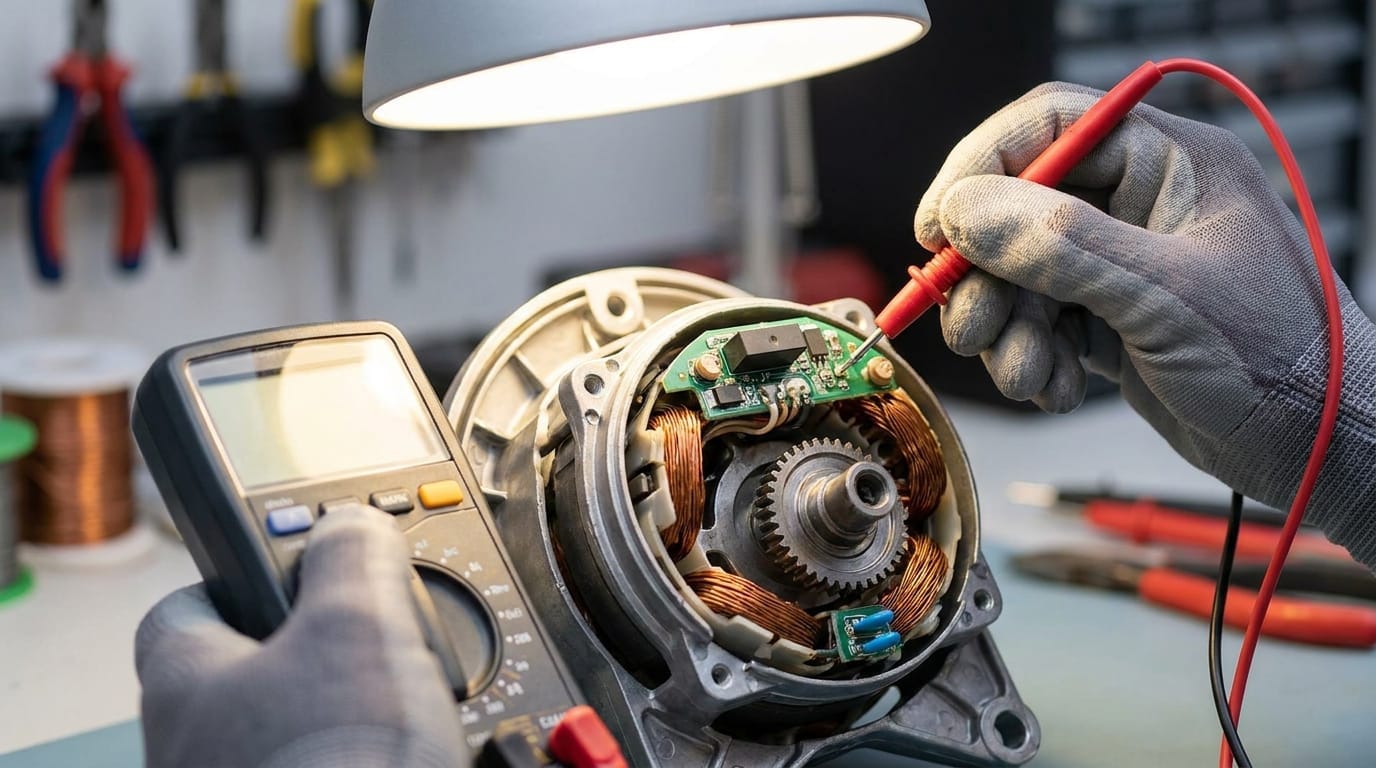
Data from consumer financial studies confirms that purchasing bottom-tier household machinery increases lifetime operating expenses by over forty percent through energy waste and premature replacement.
Buy Premium Capital or Pay Perpetual Rent
Calculate the true operational index by dividing the full purchase cost by the expected months of reliable performance.
Audit the hidden lifetime expenses, including energy draw, maintenance routines, and potential downtime, before swiping your payment card.
Allocate your capital deliberately toward high-grade equipment that directly protects your health, time, and earning capacity.
Reject the quick dopamine hit of a discount tag and view every purchase through its long-term balance sheet impact.
The two-hundred-dollar oxfords sit in your shoe rack six years later, perfectly resoled and fully intact for years to come. The fifty-dollar pair disintegrated during a wet morning commute and reached a landfill five years ago.